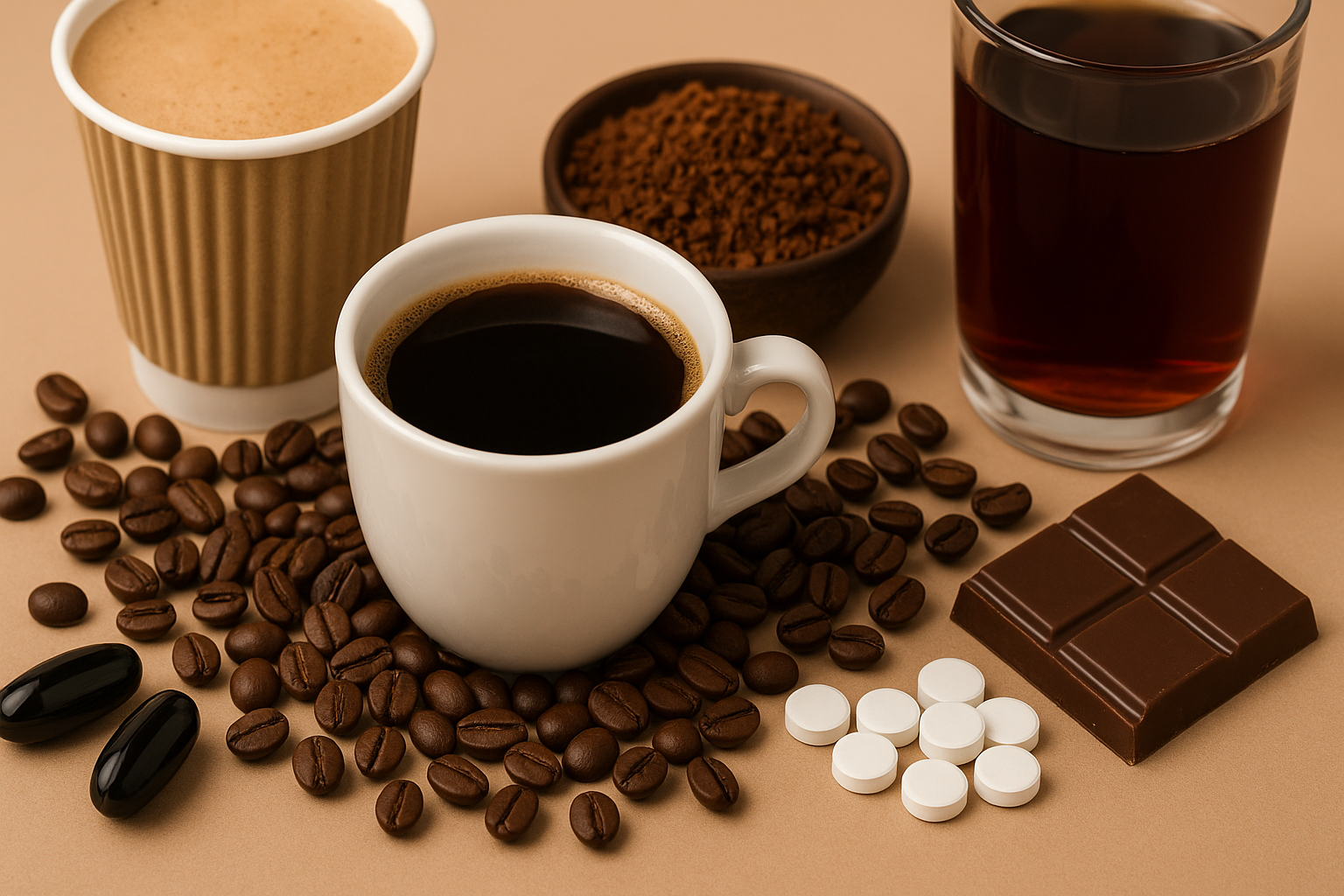
Caffeine is one of the most widely used stimulants in the world — and not without reason. It boosts alertness, enhances focus, and gives you that extra push to power through your day. But here’s the big question: how much caffeine is too much?
In this article, we’ll break down the safe daily limit for caffeine, how your body develops tolerance, symptoms of overconsumption, and lesser-known sources of caffeine that may be adding up silently.
What Is Caffeine, Really?
Caffeine is a natural stimulant found in coffee beans, tea leaves, cacao, and over 60 plant species. It works by blocking adenosine — a chemical in the brain that causes drowsiness. When adenosine is blocked, your brain activity speeds up, making you feel more awake and focused.
It also triggers a release of dopamine and norepinephrine, key neurotransmitters involved in mood and energy. This is what gives you the “buzz” associated with coffee or energy drinks.
What’s the Safe Amount of Caffeine Per Day?
According to health organizations like the FDA and EFSA, healthy adults can safely consume up to 400 mg of caffeine per day.
Here’s what that looks like in common drinks and foods:
- 8 oz brewed coffee: ~95 mg
- 1 espresso shot: ~63 mg
- 1 cup black tea: ~47 mg
- 1 can of cola: ~35 mg
- 8 oz energy drink: ~80–100 mg
- 1 oz dark chocolate: ~12 mg
That means 400 mg could equal:
- 4 cups of coffee
- OR 2 energy drinks + 1–2 cups of tea
- OR a mix of sodas, chocolate, and other caffeinated items
But remember: not everyone processes caffeine the same way. Genetics, age, medications, and health conditions all affect how your body handles it.
Who Should Consume Less Caffeine?
While 400 mg is safe for most adults, certain people should reduce or avoid caffeine entirely:
- Pregnant individuals: Limit to 200 mg daily due to links with miscarriage and low birth weight.
- People with anxiety: Caffeine can worsen restlessness and nervousness.
- Those with heart issues: May experience rapid heartbeat or high blood pressure.
- Children and teens: Should stay under 100 mg/day — preferably none at all.
- People with sleep disorders: Caffeine can disrupt sleep, especially when consumed late.
How to Know You’ve Had Too Much
Even if you’re technically under 400 mg, your body might still be telling you to back off. Common signs of excessive caffeine intake include:
- Shakiness or restlessness
- Increased anxiety or mood swings
- Fast or irregular heartbeat
- Difficulty sleeping
- Stomach upset or acid reflux
- Dehydration or frequent urination
- Muscle twitches
These symptoms tend to appear when caffeine is consumed in large amounts or late in the day.
Building Tolerance: Why Your Coffee Feels Weaker
The more caffeine you consume, the more your body adapts. Your brain starts producing more adenosine receptors to counter the blockage. The result?
- You need more caffeine to feel the same effect
- You may feel tired without it
- You risk developing dependence
This doesn’t mean addiction in the clinical sense, but it does signal a form of physical reliance.
What If You Suddenly Stop Caffeine?
Quitting caffeine abruptly can trigger withdrawal symptoms such as:
- Headaches
- Fatigue
- Low mood
- Brain fog
- Irritability
These effects typically start within 12–24 hours, peak around 48 hours, and fade after a few days.
The best strategy is to taper slowly — cut back one cup at a time or switch to half-caf or decaf.
Hidden Sources of Caffeine
You might be getting caffeine from places you don’t expect. Common hidden sources include:
- Decaf coffee: Still has about 2–5 mg per cup
- Green tea: Around 20–40 mg per cup
- Dark chocolate: Up to 60 mg per serving
- Over-the-counter meds: Like Excedrin (~65 mg/tablet)
- Pre-workout supplements: Often contain 150–300+ mg
- Flavored drinks and bars: Bottled teas, iced coffees, protein bars
Tip: Always check the label if you’re unsure.
Best Time of Day to Consume Caffeine
Your body naturally produces cortisol (the alertness hormone) right after waking up. Drinking caffeine during this time may offer limited benefit.
The most effective time for caffeine is mid-morning (9:30–11:30 AM), when cortisol dips and caffeine can do its job.
Avoid caffeine after 2–3 PM to protect your sleep quality.
How to Be Smarter About Your Caffeine
Instead of relying on more caffeine, use it more efficiently. Try this:
- Time your intake for tasks that demand focus
- Stay hydrated — drink water with or before coffee
- Skip sugar-laden drinks to avoid crashes
- Take periodic breaks from caffeine
- Choose high-quality coffee over quantity
Conclusion: Respect Caffeine, Reap the Benefits
Caffeine can be a powerful ally — or an energy saboteur. When used in moderation, it helps you think clearer, work harder, and stay energized.
But used excessively or carelessly, it can lead to fatigue, dependence, and poor health outcomes.
Understand your limits, listen to your body, and let caffeine support your lifestyle — not control it.