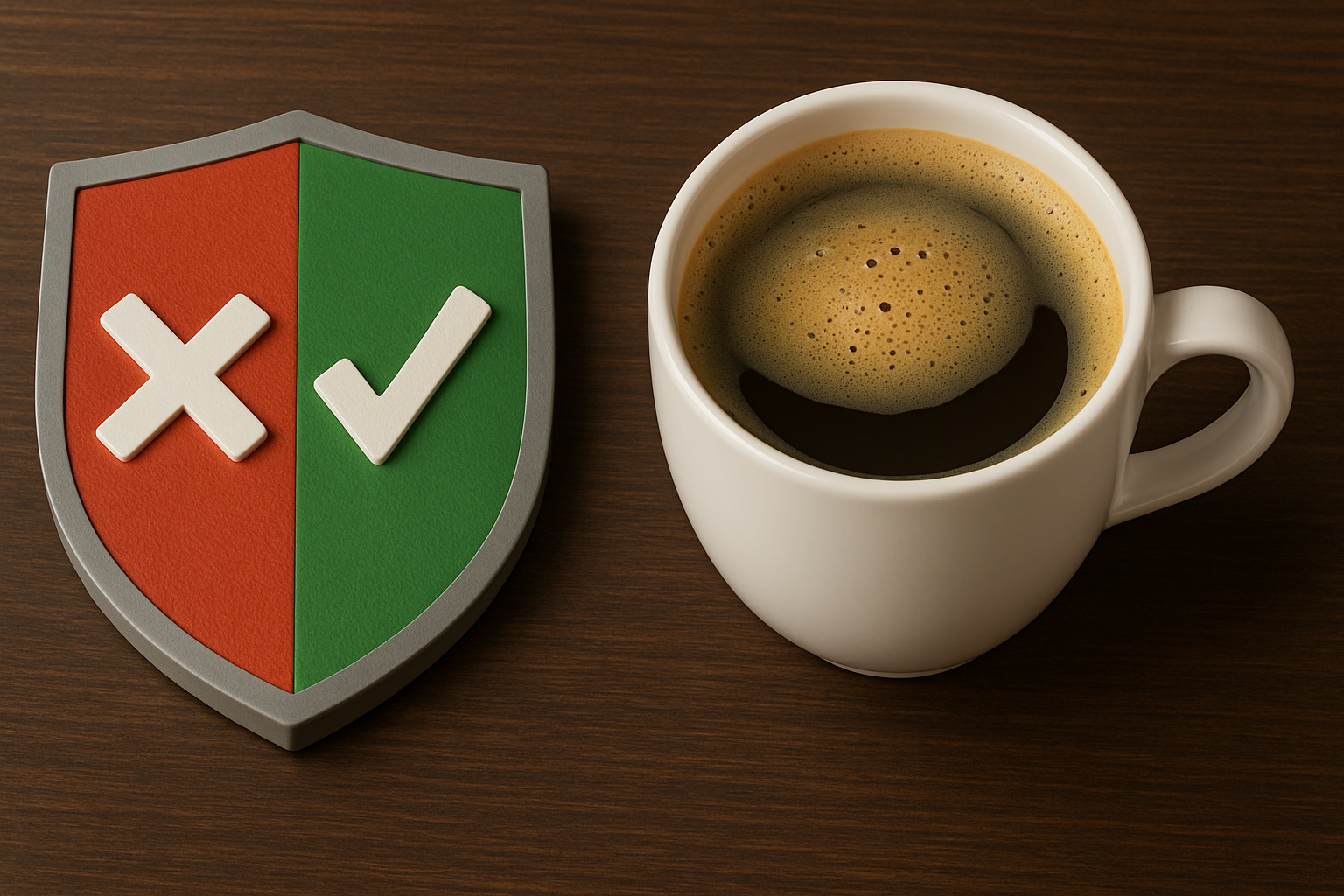
Coffee has long stirred up debate — hailed by some as a miracle drink and criticized by others as a health risk. But what does the latest science actually say?
In this comprehensive overview, we’ll explore the most up-to-date research on how coffee impacts your health — from your heart and brain to your liver and even how long you might live. Spoiler: coffee’s reputation is looking better than ever.
Heart Health: From Suspect to Supporter
Decades ago, coffee was considered bad news for your heart. Some older studies linked it to high blood pressure or heart issues — but these often failed to separate coffee from other unhealthy habits like smoking or poor diets.
Now, better-designed research tells a different story:
- Drinking 3–5 cups per day is tied to a lower risk of heart failure and stroke, according to the American Heart Association.
- Coffee appears to reduce inflammation, a major contributor to heart disease.
- It may also improve endothelial function, helping blood vessels work more efficiently.
That said, people with specific heart conditions might still need to monitor their caffeine intake, as it can elevate heart rate and blood pressure temporarily.
The Brain and Coffee: A Natural Protector
We know coffee helps you feel alert — but long-term effects on the brain may be even more impressive.
- Studies link coffee to a lower risk of Alzheimer’s and Parkinson’s disease.
- Regular coffee drinkers may experience slower cognitive decline with age.
- The antioxidants and polyphenols in coffee help fight oxidative stress, a key factor in brain aging.
Some research even connects moderate coffee intake to a lower risk of depression, especially in women.
Coffee and Cancer: Rewriting the Narrative
For years, coffee was unfairly blamed for increasing cancer risk. But those findings were mostly based on studies that didn’t separate coffee consumption from smoking.
Today, things look different. The World Health Organization no longer considers coffee a cancer risk. In fact, research shows it may lower the risk of several cancers, including:
- Liver cancer: One of the strongest links between diet and reduced risk.
- Colorectal cancer: Associated with moderate coffee consumption.
- Endometrial cancer: Some studies suggest a protective role.
Coffee is rich in bioactive compounds like chlorogenic acid and diterpenes, which may help fight inflammation and slow the growth of cancer cells.
Your Liver Loves Coffee
If there’s one organ that consistently benefits from coffee, it’s your liver. Studies show it helps prevent or slow diseases like:
- Non-alcoholic fatty liver disease (NAFLD)
- Hepatitis-related damage
- Liver fibrosis and cirrhosis
People who drink 2–3 cups daily tend to have a significantly lower risk of cirrhosis — even if they consume alcohol.
Coffee also boosts glutathione — a powerful antioxidant that helps the liver detoxify the body.
Does Coffee Help You Live Longer?
One of the most exciting findings in recent years is the link between coffee and longevity.
Large studies from Harvard and the UK Biobank show that coffee drinkers live longer on average than those who don’t drink it.
The benefits include a lower risk of dying from major illnesses like heart disease, diabetes, and some cancers.
Even decaf coffee shows similar results, suggesting the health effects go beyond caffeine and come from antioxidants and other compounds in coffee.
When Coffee Becomes a Problem
Coffee isn’t perfect for everyone — and going overboard has drawbacks.
- Too much caffeine can cause anxiety, jitteriness, and irritability.
- Sleep problems may arise if coffee is consumed late in the day.
- Digestive discomfort can occur, especially in people with acid reflux.
- Caffeine dependence may lead to withdrawal symptoms like headaches and fatigue.
Extreme caffeine intake — usually from supplements or energy drinks — can even lead to toxicity in rare cases.
Who Should Be Careful With Coffee?
Most people can enjoy coffee safely, but a few groups should be more cautious:
- Pregnant people: Should limit caffeine to under 200 mg/day.
- Those with anxiety: Caffeine can make symptoms worse.
- People with heart arrhythmias or high blood pressure: May need to reduce intake.
- Those with GERD: Coffee can aggravate reflux symptoms.
So, How Much Coffee Is Safe?
Experts say the sweet spot is 3–5 cups per day, or roughly 300–400 mg of caffeine. This amount offers the best health benefits with the fewest risks.
Keep in mind that individual sensitivity varies — listen to your body.
Also important: what you add to your coffee. Heavy cream, sugar, and syrups can turn a healthy beverage into a dessert.
The Bottom Line
Coffee isn’t just safe — it’s beneficial for most people. With its rich mix of antioxidants and brain-friendly compounds, it supports heart health, liver function, and mental clarity — and may even help you live longer.
Like anything, moderation is key. Combine coffee with healthy habits like sleep, hydration, and exercise for the best results.
So, pour that next cup with confidence — your body (and brain) will thank you.