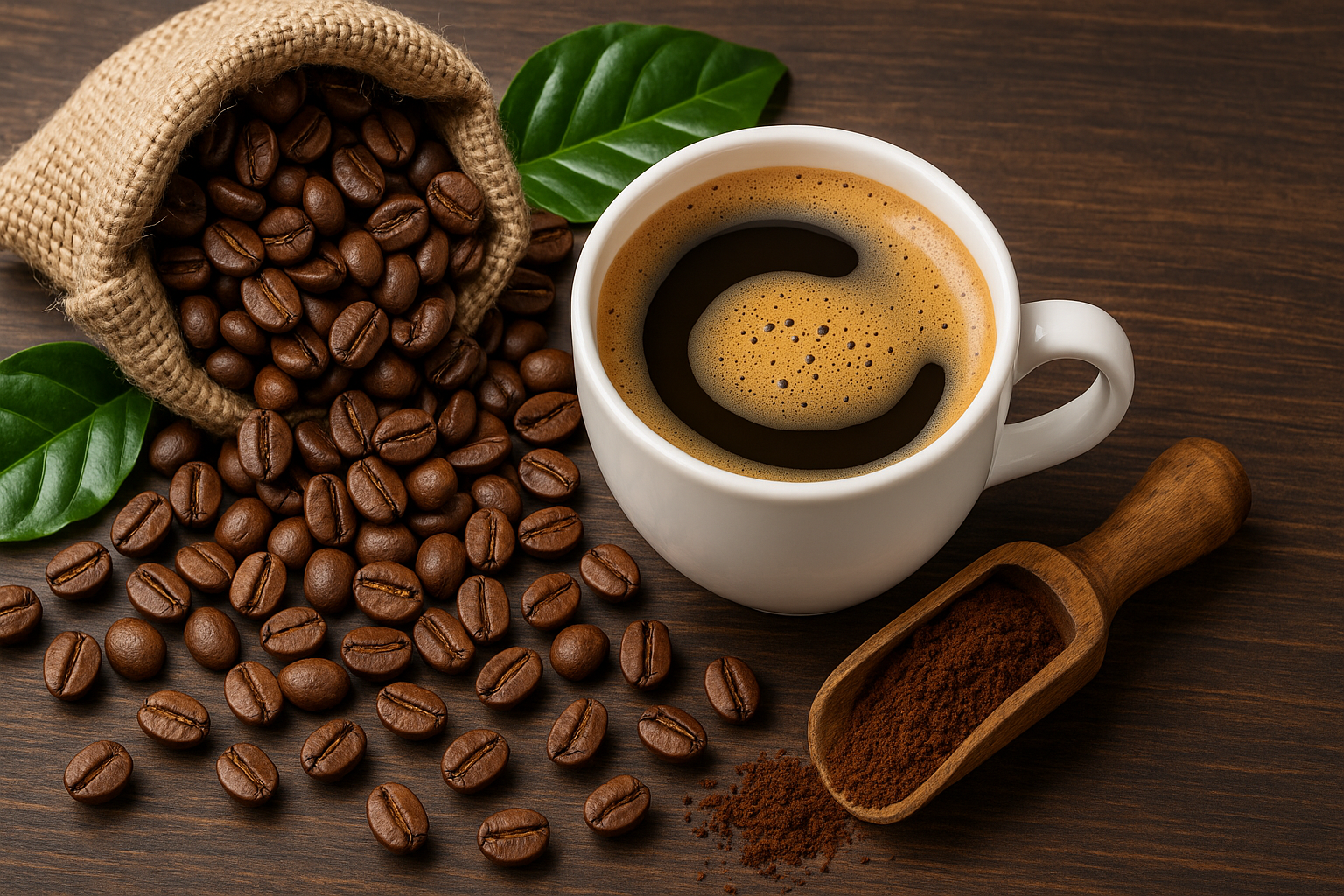
Coffee is more than just a quick morning fix — it’s a global phenomenon with a deep cultural legacy and a wealth of intriguing facts. Whether you’re a casual sipper or a dedicated connoisseur, these lesser-known insights will change how you see your daily brew. Here are 10 surprising truths about coffee you probably didn’t know.
1. Coffee Was Originally a Snack, Not a Drink
Before it became a beverage, coffee was consumed as food. In ancient Ethiopia, people crushed coffee cherries and blended them with animal fat to create high-energy bites. These were carried by warriors and travelers as fuel for long journeys.
The transition to drinking coffee came centuries later, when people in Yemen started roasting and brewing the beans into a hot drink around the 15th century.
2. Caffeine Affects Everyone Differently
Not everyone reacts the same way to caffeine. Your genetics, age, liver function, and overall metabolism determine how your body processes it. Some people feel energized after one cup, while others get the jitters or insomnia even with small doses.
Some genetic profiles even allow individuals to enjoy coffee late in the day without it affecting their sleep.
3. Coffee Is the Second Most Traded Commodity Worldwide
After oil, coffee is the most traded commodity on the planet. The global coffee trade supports millions of jobs and connects small farms in Latin America and Africa to cafes in New York, London, and Tokyo.
But behind its popularity lies a volatile industry impacted by climate change, market fluctuations, and labor challenges.
4. There Are Over 100 Species of Coffee
Most of us only know Arabica and Robusta, but there are more than 100 coffee species found in nature. These rare varieties have different flavors, growth patterns, and resistance to diseases.
Researchers are studying them to create new hybrids that may better resist pests and climate challenges.
5. Coffee Beans Are Actually Seeds
Despite their name, coffee “beans” are not beans at all — they’re seeds from the fruit of the coffee plant, known as cherries. Each cherry usually holds two seeds that are fermented, dried, and roasted to become what we recognize as coffee.
Before roasting, coffee beans are green and odorless. The roasting process is what unlocks their flavor and aroma.
6. Coffee Was Banned in Several Countries
Throughout history, coffee has been seen as controversial. In Mecca in the 1500s, it was banned due to concerns it encouraged rebellion. Italy also banned it temporarily — until the Pope tried it and gave it his blessing.
Sweden, Turkey, and parts of Germany have all restricted coffee at various times for religious or political reasons.
7. Caffeine Levels Vary Widely
Not all coffee contains the same amount of caffeine. Robusta beans have almost twice as much as Arabica. Brew method also plays a role — for example, cold brew often has more caffeine than espresso per serving.
Understanding this can help you choose the right coffee for your needs — whether you want a strong kick or a gentle boost.
8. Coffee Can Improve Athletic Performance
Yes, coffee can be your gym buddy. Caffeine increases adrenaline levels, mobilizes fat for energy, and reduces the perception of effort during exercise. That’s why many athletes use it to boost performance and endurance.
Timing is key — drinking it 30–60 minutes before physical activity often yields the best results.
9. It’s One of the Richest Sources of Antioxidants
Believe it or not, coffee is one of the main sources of antioxidants in the average diet — even more than fruits or vegetables for some people. These compounds help protect your cells and may reduce the risk of certain diseases.
Regular coffee drinkers may enjoy a lower risk of type 2 diabetes, Alzheimer’s, and even some types of cancer.
10. Climate Change Threatens the Future of Coffee
Rising temperatures, erratic rainfall, and spreading plant diseases are making it harder to grow coffee — especially in traditional farming regions.
Entire regions could become unsuitable for coffee farming in the near future, pushing researchers to develop more resilient plants and encouraging growers to adopt sustainable practices.
Final Thoughts: Coffee Is More Than a Drink
Behind every cup of coffee is a story of culture, science, and global connection. From ancient rituals to modern espresso machines, coffee continues to evolve — and so does our understanding of it.
So next time you sip your favorite brew, remember: you’re not just enjoying a beverage — you’re partaking in one of the world’s most fascinating and complex traditions.