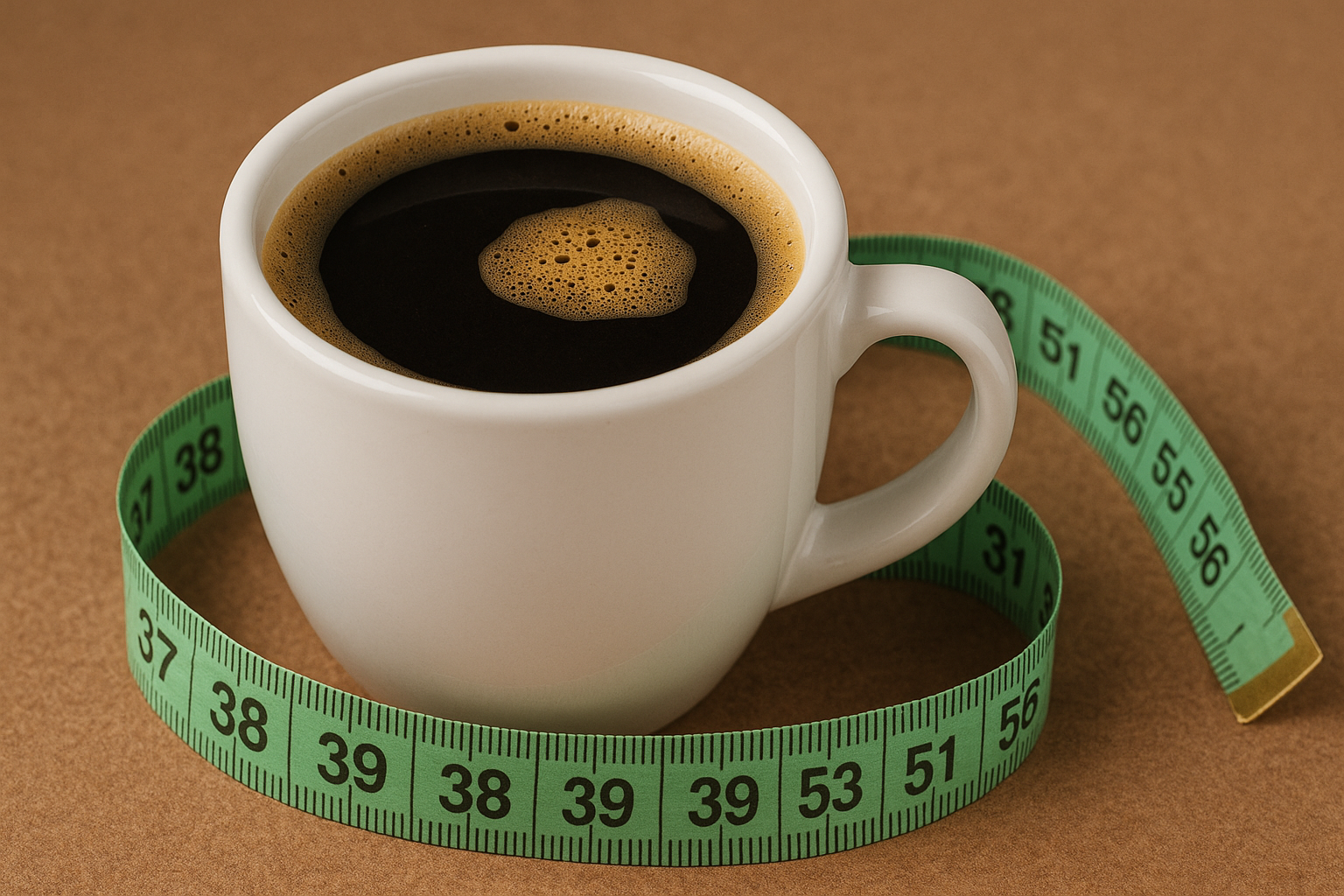
For a long time, coffee has been linked to increased energy, sharper focus, and better physical output. But can your daily brew also help with weight loss? You’ve likely seen headlines claiming that coffee revs up your metabolism or helps curb hunger — but is there real science behind those statements?
In this article, we’ll break down the science of coffee and weight loss. From how it impacts your metabolism and hunger levels to its role in exercise, let’s uncover if coffee can truly help you shed pounds or if it’s just another myth in a mug.
What’s Actually in a Cup of Black Coffee?
First things first — we’re referring to plain black coffee, not the sugary, calorie-loaded versions. A typical cup of black coffee contains:
- Zero calories
- Roughly 95 mg of caffeine per 8 oz
- Antioxidants like chlorogenic acid
- No sugars, fats, or carbohydrates
This is crucial. Many popular “diet coffees” are packed with creamers, syrups, and sweeteners that negate any fat-burning potential. When it comes to weight, how you take your coffee makes all the difference.
Caffeine’s Role in Metabolism: The Thermogenic Boost
Caffeine is known to create a thermogenic response, which essentially means your body burns more calories at rest. It does this by:
- Stimulating your nervous system, which raises your resting metabolic rate
- Increasing norepinephrine levels, signaling fat cells to release stored fat
Studies suggest caffeine can raise metabolism by 3–11%, with lean individuals often experiencing greater increases. But keep in mind, the body can develop tolerance, reducing these effects over time.
Can Coffee Actually Help Burn Fat?
Caffeine not only boosts calorie burn — it also encourages fat as an energy source.
Research shows that having coffee about 30–60 minutes before moderate exercise can elevate fat oxidation. Your body uses fat for fuel, which can support fat loss over time when paired with regular workouts.
Still, this effect is modest — coffee isn’t a miracle fat burner but may offer a slight edge for those active and mindful of their routines.
Appetite and Hunger: Does Coffee Make You Eat Less?
Another potential benefit? Coffee may temporarily suppress hunger.
Some findings include:
- Caffeine can dampen appetite for a short window
- It may delay the next meal
- Some people consume slightly fewer calories after drinking coffee
This varies widely. Some feel no difference, and regular caffeine users often lose this effect as tolerance builds.
Coffee’s Impact on Exercise: Performance Equals Calorie Burn
If coffee gets you moving, it’s indirectly helping with weight loss.
Caffeine has been proven to:
- Increase physical endurance
- Lower perceived effort during workouts
- Enhance performance by up to 11–12% in some cases
A pre-workout cup of coffee may help you train longer and harder — burning more calories and making progress faster.
Calories Add Up: Beware of Add-Ins
Plain coffee is your ally — but what you put in it matters. For best results, avoid:
- Sugar, flavored syrups, and whipped toppings
- Excessive cream or milk
- “Coffee drinks” that are closer to milkshakes
Some specialty drinks pack 200–500+ calories. To keep things lean, go for black coffee, cold brew, or unsweetened iced options.
When to Drink Coffee for Weight Management
If you’re timing your coffee intake for fat loss benefits, consider:
- Morning: Boost your metabolism early or use it to support intermittent fasting
- Pre-workout: Have it 30–60 minutes before activity to optimize fat burn
- Between meals: It may help reduce cravings and snacking
Avoid it too late — caffeine disrupts sleep, which is linked to weight gain and hunger spikes.
What About Decaf?
Decaf lacks caffeine’s stimulant power, but it still contains chlorogenic acid, which may assist with glucose control and fat processing.
Some studies indicate it can slow carb absorption and help with insulin response. It’s not a fat burner, but decaf is still a healthy, low-calorie option if you’re cutting back on caffeine.
Is Coffee Alone Enough?
Let’s be honest — coffee won’t melt fat by itself. It can support your journey, but weight loss is driven by:
- Eating fewer calories than you burn
- Nutrient-rich meals
- Regular physical activity
- Proper sleep and stress balance
Coffee can complement these habits — but not replace them.
Too Much of a Good Thing
Overdoing coffee can backfire. High caffeine intake may cause:
- Jitters and anxiety
- Heart flutters
- Disrupted sleep
- Stomach upset
- Dependence
Stick to 400 mg or less per day (about 4 cups) and monitor how your body reacts.
Conclusion: Coffee Is a Support Tool — Not a Shortcut
Coffee can be a useful companion on your weight loss path. When used wisely, it may increase energy, aid fat burning, and enhance workouts.
To benefit fully:
- Keep it simple and low-calorie
- Pair it with movement
- Time it to match your daily rhythm
- Avoid going overboard
Used mindfully, coffee can energize your routine and support your weight goals — one strong cup at a time.