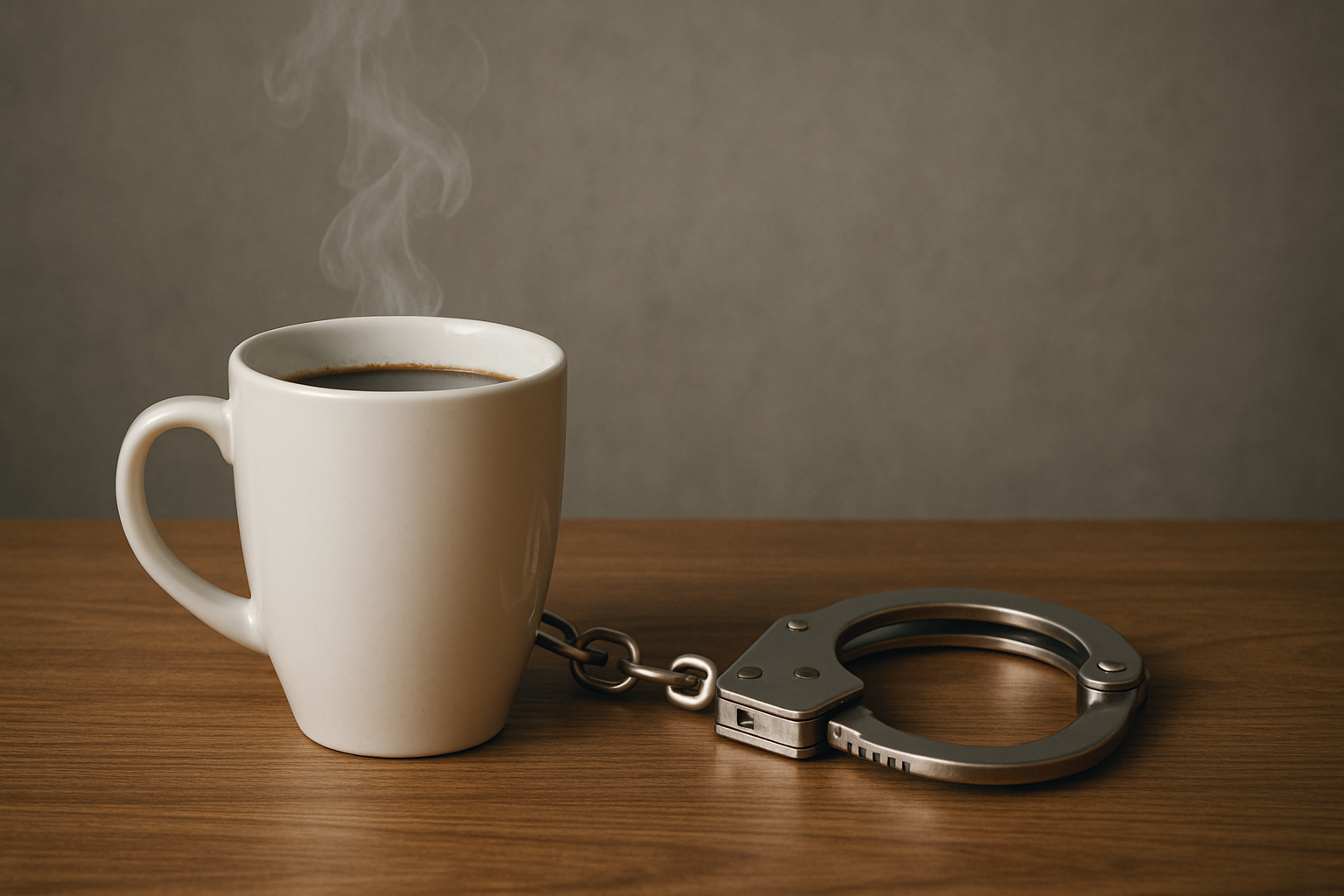
Coffee plays a major role in the lives of millions — it’s part ritual, part motivation, part comfort. But the lingering question remains: is coffee addictive? If so, how serious is it?
In this article, we’ll explore what science really says about coffee and addiction, the difference between physical dependence and addiction, and how you can enjoy your coffee habit without it taking over your life.
What Makes Coffee So Powerful?
The key to coffee’s energizing effect is its most active ingredient: caffeine.
Caffeine is a psychoactive stimulant, meaning it affects brain activity, mood, and behavior. It’s the most commonly used stimulant worldwide — found not just in coffee, but also in tea, chocolate, sodas, energy drinks, and even medications.
Caffeine affects the body by:
- Blocking adenosine receptors, reducing feelings of fatigue
- Boosting dopamine levels, improving mood and alertness
- Stimulating the central nervous system, increasing focus and energy
These effects make caffeine highly appealing — but also open the door to potential overuse or dependence.
Is Caffeine Addiction Real?
The DSM-5 (Diagnostic and Statistical Manual of Mental Disorders) doesn’t officially classify “caffeine addiction” as a diagnosable disorder. However, it does recognize something called Caffeine Use Disorder as a condition worth further study.
You might be dealing with caffeine use disorder if you:
- Struggle to reduce or quit caffeine
- Feel withdrawal symptoms when you stop
- Keep consuming caffeine despite physical or mental side effects
- Spend a lot of time consuming or recovering from it
This applies mostly to people consuming 400 mg or more of caffeine daily — around 4–5 cups of coffee.
Dependence vs. Addiction: There’s a Difference
It’s important to understand the difference:
- Addiction involves loss of control, compulsive behavior, and often major negative consequences in your life.
- Dependence means your body has adapted to caffeine and expects it daily, but you’re still able to function normally and make intentional choices.
Most regular coffee drinkers fall into the “dependence” category — they may feel tired or grumpy without coffee, but they’re not addicted in the clinical sense.
What Does Caffeine Withdrawal Look Like?
If you’ve ever skipped your morning brew, you might know what withdrawal feels like. Symptoms can appear within 12–24 hours and last up to 5 days.
Common signs of caffeine withdrawal:
- Headaches
- Fatigue
- Irritability
- Trouble concentrating
- Mood swings or anxiety
- Flu-like symptoms (rare but possible)
Fortunately, caffeine withdrawal is not harmful, and symptoms usually fade quickly, especially if you reduce caffeine gradually.
Why Coffee Feels So Rewarding
Caffeine increases dopamine signaling in the brain’s reward pathways — but not nearly as powerfully as addictive substances like nicotine or cocaine.
This small dopamine boost creates a feel-good effect, especially when paired with enjoyable routines like your morning ritual, work breaks, or social moments.
Over time, your brain forms a connection between coffee and feeling alert or content — reinforcing the habit without it becoming harmful.
Psychological Triggers Behind Coffee Cravings
Cravings aren’t only chemical — they’re also emotional and behavioral. Coffee is often part of comforting routines:
- The smell and warmth when you wake up
- A pause in the middle of a busy workday
- Conversations at a café
- The focus it brings before tackling a project
These triggers can create habit loops, where the brain expects coffee as part of daily structure — even when caffeine levels aren’t particularly high.
When Coffee Becomes a Problem
Coffee is safe for most people — but here are signs that it may be interfering with your well-being:
- You need more caffeine to get the same effect
- You feel irritable or foggy without it
- It disrupts your sleep, digestion, or anxiety levels
- You feel out of control with your consumption
If that sounds like you, try tracking your caffeine intake, taking breaks, or switching to decaf or tea occasionally.
What’s a Safe Amount of Caffeine?
Most health experts agree that up to 400 mg/day is safe for healthy adults. That’s approximately:
- 4–5 cups of coffee
- 2–3 espresso shots
- 8–10 cups of black tea
- 2 energy drinks (not ideal)
Pregnant individuals should keep caffeine under 200 mg/day, and those with anxiety or heart issues should consult their doctor.
How to Enjoy Coffee Without Dependence
You don’t have to quit coffee — just use it wisely. Here are some strategies:
- Take breaks every few weeks to reset tolerance
- Delay your first cup until 60–90 minutes after waking
- Avoid caffeine after 2 PM to protect sleep
- Stay hydrated to reduce side effects
- Use half-caff or decaf to taper slowly
- Don’t mask fatigue with caffeine — rest matters
Conclusion: Coffee Is a Tool, Not a Crutch
Coffee is one of the most loved beverages in the world for a reason — it improves focus, boosts mood, and helps power through the day.
True addiction to coffee is rare, but caffeine dependence is common. Knowing your limits and being intentional with your consumption is the key to balance.
Let coffee serve you — not control you.