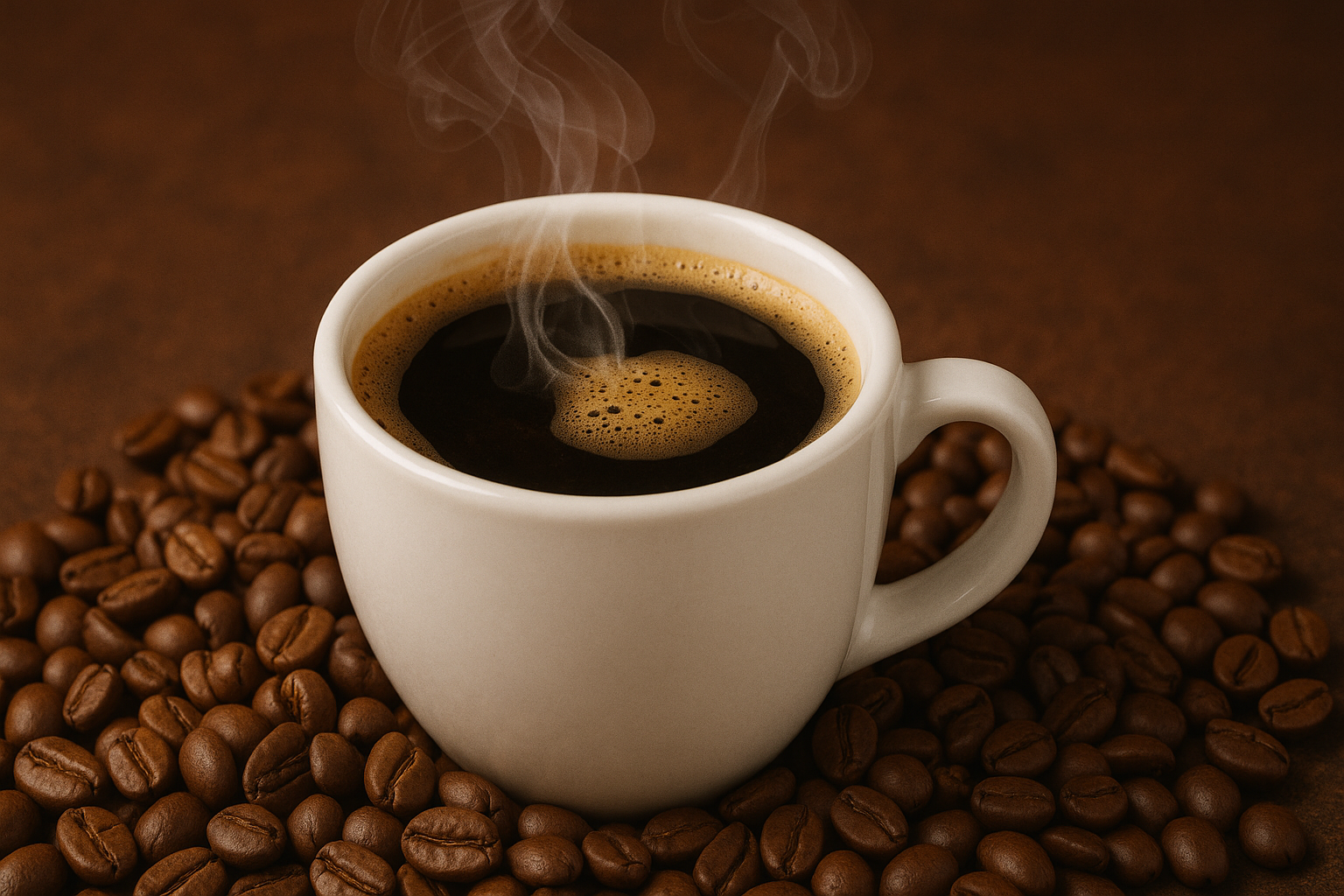
Few things are as universally loved as the scent of freshly brewed coffee. It can relax, energize, and comfort you all at once. But have you ever wondered why coffee smells so good — and why it’s so hard to resist?
This article explores the chemistry and neuroscience behind coffee’s rich aroma — from how it’s formed during roasting to how your brain interprets the scent. You’ll learn why coffee’s fragrance plays such a powerful role in how we enjoy it — even before the first sip.
Aroma vs. Taste: Why Smell Matters More
To understand coffee’s powerful aroma, it helps to know the difference between taste and aroma:
- Taste: Detected by your tongue — sweet, salty, bitter, sour, and umami.
- Aroma: Detected by your nose — responsible for up to 80% of flavor perception.
So when you think coffee tastes nutty, fruity, floral, or chocolaty — it’s mostly your nose doing the work.
With more than 800 aromatic compounds, coffee has a richer aroma profile than even wine or chocolate.
Where Coffee’s Aroma Comes From
Green coffee beans have almost no scent. It’s during roasting that the magic happens. When beans are roasted, they undergo chemical changes — especially the Maillard reaction — which creates:
- Hundreds of aromatic compounds
- The brown color of roasted beans
- Much of the signature coffee flavor and smell
The level of roast also matters:
- Light roast: Brighter, more fruity and acidic notes
- Dark roast: Stronger, smoky, caramelized aromas
Key Compounds Behind the Coffee Smell
Among the hundreds of molecules, some dominate coffee’s scent:
- Furans: Sweet, caramel aroma
- Pyrazines: Nutty, roasted scent
- Phenols: Spicy or smoky notes
- Aldehydes: Fruity or grassy hints
- Ketones and esters: Floral and fruity tones
- Sulfur compounds: Roasty or burnt elements (can be harsh in excess)
The mix of these chemicals depends on bean origin, roast level, and freshness.
How Your Brain Reacts to Coffee’s Scent
The human nose is incredibly sensitive — able to detect certain coffee compounds in parts per billion. Here’s what happens when you smell coffee:
- Odor molecules rise from the brew
- They enter your olfactory receptors in the nose
- Signals travel to your brain’s olfactory bulb
- The brain links them to memories, emotions, and pleasure
This explains why coffee’s scent can feel nostalgic or calming. It’s directly tied to your brain’s limbic system — the same part responsible for memory and emotion.
Why Freshness Matters
Ever notice that coffee smells best right after brewing? That’s because aromatic compounds are fragile. They evaporate quickly once exposed to air.
Here’s how to preserve the scent:
- Grind just before brewing
- Use airtight containers
- Keep beans away from heat, light, and moisture
Freshly ground beans always smell stronger than pre-ground coffee.
How Brew Methods Affect Smell
Your brewing method can highlight different aromatic compounds:
- Pour-over (V60, Chemex): Brings out floral, tea-like notes
- Espresso: Intense roasted aroma
- French press: Heavier, earthier scents
- Cold brew: Smooth, chocolatey, less acidic smell
Grind size, water temperature, and brew time also influence aroma extraction.
Using the Coffee Flavor Wheel
Professional tasters use the Coffee Taster’s Flavor Wheel to describe aromas. Some common categories include:
- Fruity: Berry, citrus, tropical
- Floral: Jasmine, rose
- Sweet: Vanilla, brown sugar
- Nutty: Almond, peanut
- Spicy: Clove, cinnamon
- Roasted: Chocolate, toast
Learning to identify these smells takes time but deepens your coffee appreciation.
Does Aroma Affect Flavor Perception?
Absolutely. Studies show that aroma can:
- Enhance perceived flavor
- Improve alertness and mood
- Trigger cravings
This is why cafés feel irresistible — your senses are engaged even before tasting the coffee.
Final Thoughts: Aroma Is the Heart of Coffee
Coffee’s aroma is more than just a pleasant smell — it’s central to the coffee experience. It’s what draws you in and lingers long after the last sip.
So next time you brew a cup, take a deep breath and appreciate the science, tradition, and beauty in that warm, fragrant moment.